Create Your Somebody That I Used to Know AI Video

Two photos. A 10-second painted duet. Choose who stands on each side.

Loading…

What is the Somebody That I Used to Know AI trend?

Two familiar faces, a geometric painted wall and a duet told through glances.

The idea draws on Gotye's Somebody That I Used to Know, featuring Kimbra: two performers share a geometric painted setting. AI remakes recast the pair while trying to keep the expressions, glances and painted composition. Gotye AI video and painted duet AI refer to this visual remake, not to generating a new song.

Source of the recreated motion reference

This template uses the displayed 10-second, clothed recreation, not an excerpt of the original music video. It is separate from our generated How to result. Photos guide identity and hair; the reference guides painted staging and costumes. Photo clothing and accessories can still carry through.

From the painted music video to a recast duet

The original artwork and the newer photo-remake format are related, but they are not the same video.

  1. 2011

    Gotye and Kimbra's painted performance

    Gotye's official video, directed by Natasha Pincus, pairs geometric scenery with body art by Emma Hack. Its still framing and contrasting positions give the duet a distinctive visual identity.

    Watch Gotye's official video
  2. AI remakes

    New faces, familiar glances

    A Reddit remake featuring Sam Altman and Dario Amodei prompted discussion about more than resemblance: viewers also noticed whether the background and painted details matched. Those details matter when evaluating a recast duet.

    Read the remake discussion
  3. Your version

    Assign the two sides before generating

    Choose a separate photo for the front-facing left role and the right profile role. Start with the fixed short excerpt and review both people through the turn and the side view.

How to Make a Somebody That I Used to Know AI Video in 3 Steps

Upload your duo, check the settings and review the finished clip.

  1. Choose your left and right performers

    Add one clear single-person photo to each slot. Photo 1 is on the left, facing the camera. Photo 2 is on the right, turned toward the first person.

  2. Preview the scene and total

    Watch the 10-second reference, choose 480P or 720P, and check the credit total. The model uses the painted scene and costumes as a guide, but clothing and accessories from your photos can appear in the result.

  3. Generate and check both faces

    Review the front view, profile, mouth movement and painted wall before downloading the MP4. AI results can vary even when the photos and roles are clear.

What photos work best for the painted duet?

Use a clean photo that makes each face easy to distinguish. You do not need to paint your face or recreate the set.

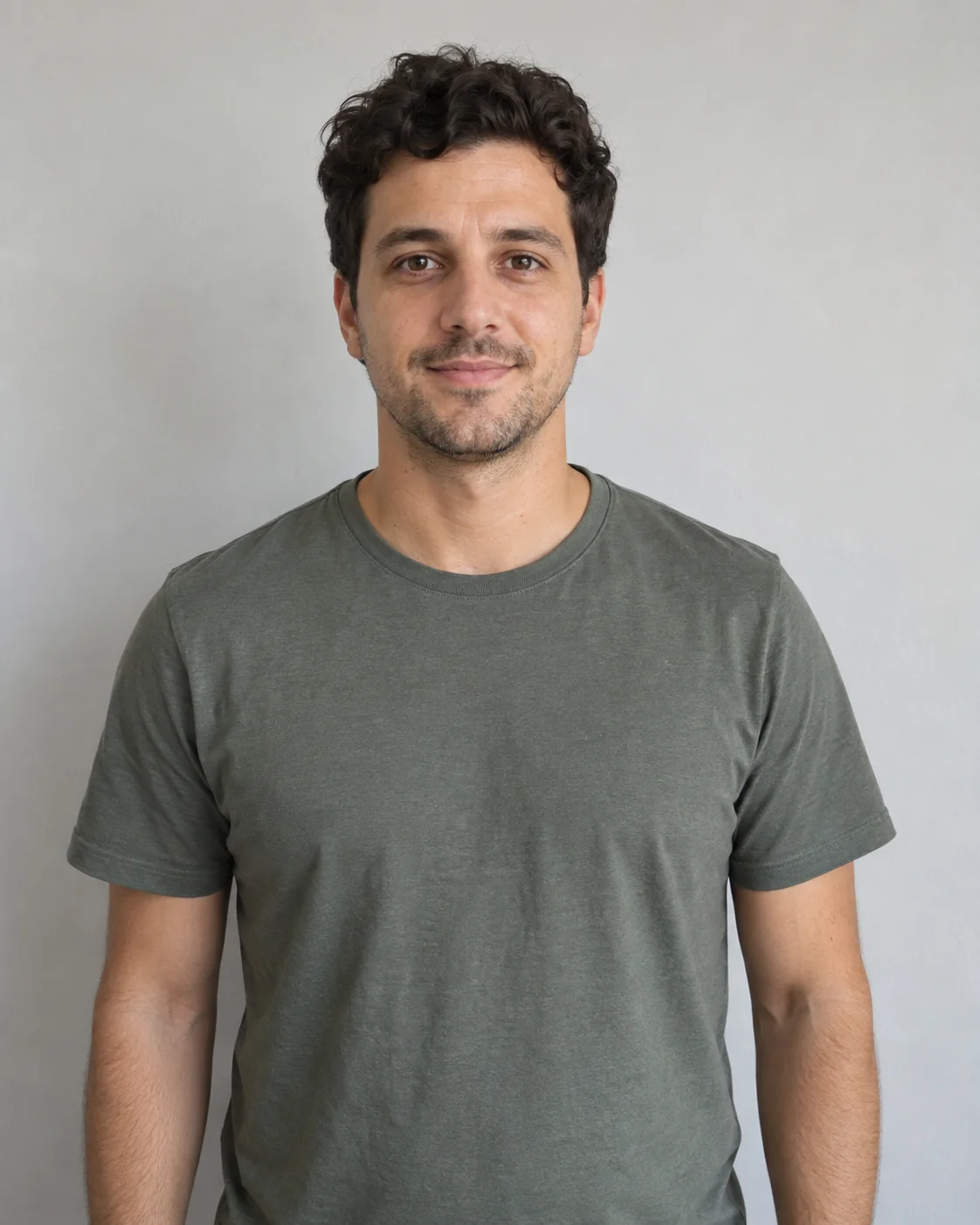
Example of a clear, evenly lit single-person portrait

Good starting point

  • One person per photo, with a sharp, unobstructed face
  • Even light and visible hair, head shape and shoulders
  • A natural front or gentle three-quarter view without heavy filters
  • A clean background without headrests, equipment or distracting accessories
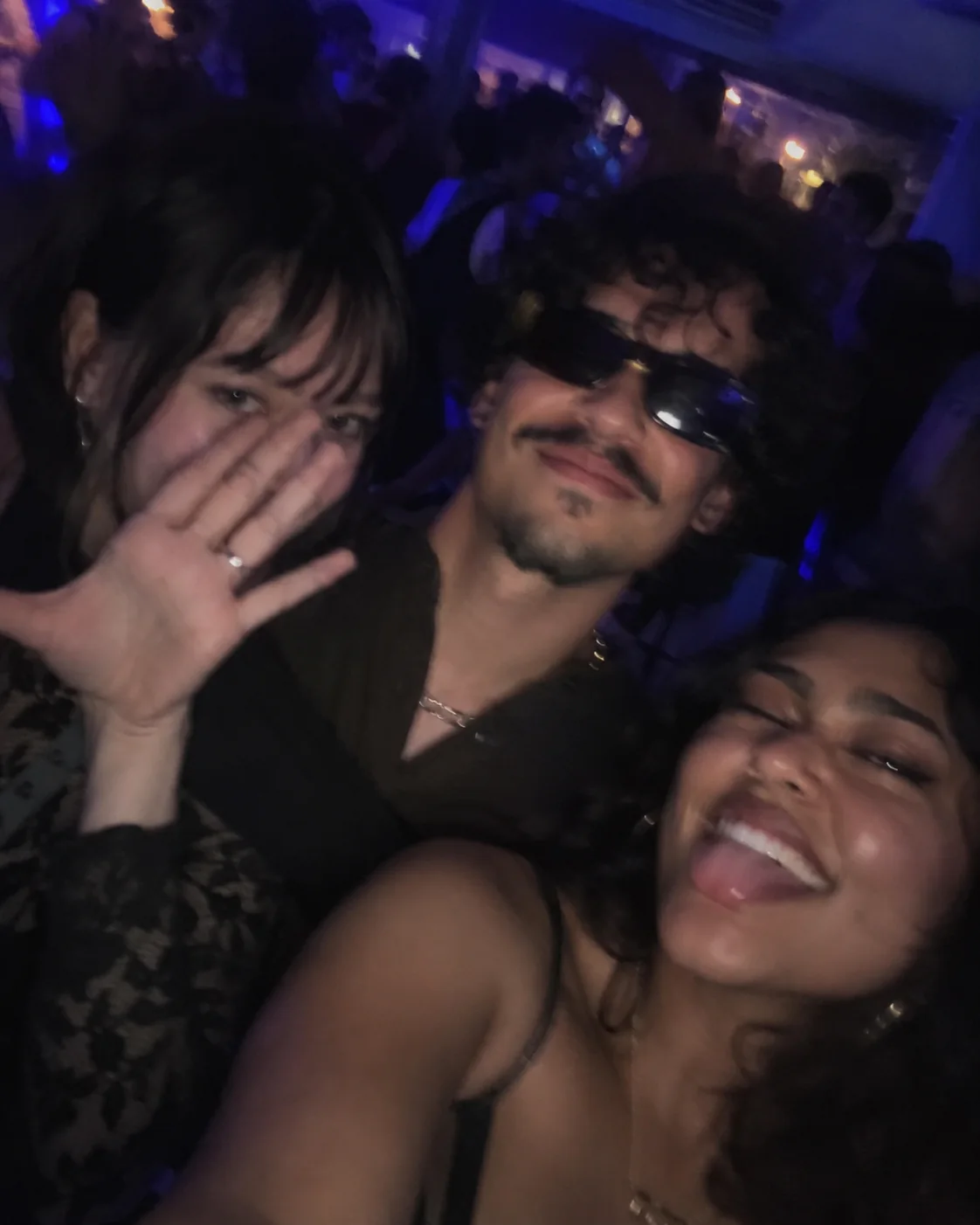
Example of a dim group photo with blurred and partly covered faces

Avoid these

  • Group photos with several competing faces.
  • Sunglasses, masks, or hands covering the face.
  • Dark, blurry, tiny, or heavily filtered portraits.
  • Tight crops that cut off the head or hide the outfit.

A duet built around two clear roles

The reference supplies the performance, so you can focus on casting the pair.

Left and right stay explicit

Each upload has a matching role image. The prompt assigns photo 1 to the front-facing left performer and photo 2 to the profile performer on the right.

Identity from your photos

Your images guide each face, head shape and hair. The reference guides costumes and painted styling, but clothes, accessories and other details in the input photos may also carry into the result.

Painted staging as a reference

The wall, geometric color patches and framing are part of the reference. The model is asked to preserve them, but painted areas can be partial and their edges may drift. Check both people, especially the side-facing role.

The excerpt's sound

The final clip uses audio from the reference excerpt. Photos do not clone your voice or create a new vocal performance.

See the total before making your duet

This first version is a fixed 10-second clip, not the full music video.

Choose 480P or 720P

The 480P option costs 150 credits; 720P costs 250 credits. Both use the same two-role, 10-second reference.

One generation, one displayed total

Check the generate button for the current total and your available balance. Buying credits does not start a video; a new attempt is a separate task.

Credits are the site's billing unit, not a fixed dollar amount. Higher resolution does not guarantee more accurate likeness, paint or lip movement. Reference-to-video model details

Gotye AI vs CapCut templates vs your own prompt

The setup differs across these workflows. Features and prices depend on the individual template or model.

This painted duet template
What you provide
Two separate photos, assigned left and right
Scene and movement
The displayed duet guides positions, glances and camera
Output choices
10 seconds, landscape 4:3, 480P or 720P
Cost planning
Full credit total shown before generation
CapCut templates
What you provide
Add the photos or clips requested by your chosen template.
Scene and movement
Uses the selected template's effects, transitions, and animations.
Output choices
Check the template's length and your editor's export options.
Cost planning
Free and paid templates. Check the selected template's price and requirements.
DIY AI prompts
What you provide
A prompt, subject photos, and any references your model supports.
Scene and movement
Describe the scene and actions; tune the prompt and references yourself.
Output choices
Length and resolution depend on the model you select.
Cost planning
Check generation and retry charges with your provider.

Try another two-person template with its own role mapping and reference.

Somebody That I Used to Know AI questions

What is Somebody That I Used to Know AI?

It is a photo-remake idea inspired by the painted duet in Gotye and Kimbra's music video. This tool uses two photos with a short, clothed recreation of that setting. It does not make a new song or reproduce the complete original music video.

Which photo goes on the left and which on the right?

Photo 1 replaces the performer on the left, facing the camera. Photo 2 replaces the performer on the right, turned toward the first. The role images next to the uploads show the positions.

Can I use one photo or a group photo?

This version requires two separate single-person photos. It does not offer automatic group-photo splitting or a one-role-only edit. Use an unobstructed face for each person.

Will it copy my clothes or keep the painted look?

The photos guide identity, head shape and hair, while the reference guides the clothed costumes and geometric painted look. Neither outfit source is guaranteed: photo clothing or accessories can carry through, and painted details can be incomplete. Review the actual How to example before generating.

How long is the video and what does it cost?

The output is a 10-second landscape 4:3 MP4. The price is 150 credits at 480P or 250 credits at 720P. Check the selected total on the generate button before starting.

Is Somebody I Used to Know AI the same idea?

The shortened name, Gotye AI video and painted duet AI can refer to this same remake format. Different tools use different scenes and lengths. Here, the displayed 10-second reference defines the version you are making.

Is there a separate painted-photo preview before the video?

No. This version generates the video directly from the two photos and the fixed motion reference. It does not include a separate still-image approval step. The How to section shows the exact input photos and an actual reviewed 10-second output, including its limitations.

Will the faces, paint and lip movements match perfectly?

No guarantee. The side-facing person can lose resemblance, paint can be incomplete or drift, and facial expressions or mouth movement may differ from the reference. Headrests, equipment and marks visible in your photos can carry into the video. Choose clean images and review both people through the whole clip before sharing.

What happens if a generation fails?

Failed tasks return their generation credits through the site's task handling. A completed clip with visual imperfections is not automatically classified as failed. Check History for task status and contact support if progress appears stuck.

Is this official, and can I share the video?

This is an independent AI template, not an official Gotye or Kimbra product. Use photos you can edit and follow the applicable rules for the reference footage and music. Generating a clip does not grant new footage or music rights; disclose AI editing when sharing.